

Call us toll free on 0800 472637
|






Research Report 2009 - A view over time
The Healing Power of Grandparents
This 2009 study of Grandparents raising Grandchildren in New Zealand shows a high level of long-term commitment to the children in spite of huge difficulties and little if any support.
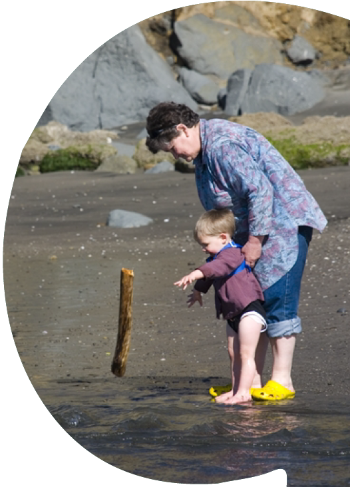
Following a ground-breaking study of grandparent and other kin carers published in 2005, the Grandparents Raising Grandchildren Trust commissioned a further study of long-term carers to examine how well the carers and grandchildren had fared over time. Thirty-three percent of the children had been with the grandparents for ten years or longer, 49% from 6 to 9 years and 18% between 4 and 5 years...[more]
Grandparents and Whanau/Extended Families Raising Kin Children in Aotearoa/New Zealand:
A view over time
by Jill Worrall MNZM
The following extract is the Executive Summary taken from the Research Report 2009:
Executive Summary
New Zealand was a leader in international child welfare legislation reform with the passing of the New Zealand Children Young Persons and their Families Act (1989). This Act mandated the extended family/whanau as the preferred placement for children in need of care and protection, respecting traditional Maori concepts of family responsibility and decision making. However, recent data raises the question of how well the Maori model of collective responsibility translates to European families.
This study was carried out to discover how well New Zealand grandparents and other kin carers had fared over the five years since the last study was under taken. While much of the statistical data is similar to the 2005 study, two major factors stand out in this study:
- Caregiver resilience and commitment to the grandchildren in spite of huge hurdles and difficulties
- The stability afforded the children that has led to a considerable level of improvement in the children’s physical and psychological health
- The joy most carers described in seeing their grandchildren flourish and the loving relationships existing between the children and their grandparents.
In this study there is also evidence of financial struggle to make ends meet, stories of grandparents going to bed hungry or losing weight because they are eating less as their growing grandchildren need more and the cost of constantly clothing growing children. Carers show fortitude in the face of poverty, saying “we make do’ or ‘we just push on – tomorrow is another day’.
The affect of age on the caring role is also well evidenced here. Grandparents’ health is likely to be becoming more fragile and issues of mortality are well evidenced. Grandparents tell of lowered energy levels, tiredness and caring for seriously ill spouses and disabled children. While the Care of Children Act (2004) will hopefully make legal proceedings easier for Grandparents seeking guardianship, day-today care or access, many respondents are still finding the legal system complex, unfair and financially crippling.
McPherson (2003) comments that demographic changes in age, smaller families, a high rate of marital disruption and higher geographic mobility show that demands for extended family support are at a time when the potential for that is decreasing (McPherson, 2003:162). This research shows that in spite of those demographic influences, families care whether they are single, poor, employed or unemployed, on invalids benefits or having to work harder to support the extra family members. One of the key factors that have emerged in this study is the stability and tenacity of the grandparents, great grandparents and other kin and their dedication to the children.
Consequently the children are beginning to thrive and regain normality in their care. For some children, the care and the love received has given rise to extraordinary achievement against great odds. Although kinship care has its frustrations and is undoubtedly exceedingly demanding for many carers, it is also clear that it can have significant rewards for both the children and those who care for them.
However, there is still much that could be done to improve outcomes for the kin/whanau carers and their kin/whanau children. Recommendations arising out of the study are:
- Professional attitudinal change
- Training for workers in the dynamics of kin/whanau care
- Sensitive assessment processes
- Financial relief
- Respite care provision
- Preparation courses and educational assistance. The voices of the Grandparent/whanau carers are clear about their needs and deserve recognition.
please click here or on the PDF symbol

The content of this research report is the copyright of Grandparents Raising Grandchildren Trust New Zealand. It may not be reproduced in whole or part without formal permission from Grandparents Raising Grandchildren Trust NZ.
For permission, please contact Diane Vivian at office@grg.org.nz or +64 9 480 6530.
|
Contact us
Mitre 10 Community of the Year 2013 
|